Mobile Detailing Checklist: What Technicians Should Bring
Every mobile detailing job begins long before the engine starts. The right gear in the van, the discipline to keep it organized, and the foresight to plan for edge cases make the difference between a smooth day and a scramble on a driveway. Most problems in the field trace back to a missing adapter, a dead battery, or a product that does not play well with the vehicle you are about to touch. A thoughtful loadout avoids those headaches and protects your reputation.
This is a working checklist shaped by miles on the road. It focuses on what technicians should bring for a complete car detailing service, plus how to adapt when the scope expands to paint correction, ceramic coating, paint protection film, or even a window tinting service. You will see practical quantities, storage tips, and the small redundancies that save a job.
Why preparedness matters in mobile detailing
A fixed shop can walk to a cabinet for a missing brush. Mobile detailing has no such safety net. Once you park at a client’s home or office, the gear you brought is the gear you have. If that citrus pre-wash freezes overnight and separates, or if the extractor hose split in the last job and you did not inspect it, you are improvising. Clients notice improvisation.
Preparedness is not just about volume. It is about balance. Too much product weighs down the rig, saps fuel economy, and turns every job into a treasure hunt through bins. Too little invites compromise. The best mobile teams carry modular kits: a base interior set that handles 80 percent of vehicles, a wash and decontamination set, a correction and finishing set, and specialty packs for ceramic coating or PPF. Each kit lives in a labeled tote or drawer, which protects against cross contamination and speeds setup.
The core loadout at a glance
Before we get into the why and how, here is the quick scan most crews use the night before. Think of it as categories more than items, because the content inside each category flexes by job.
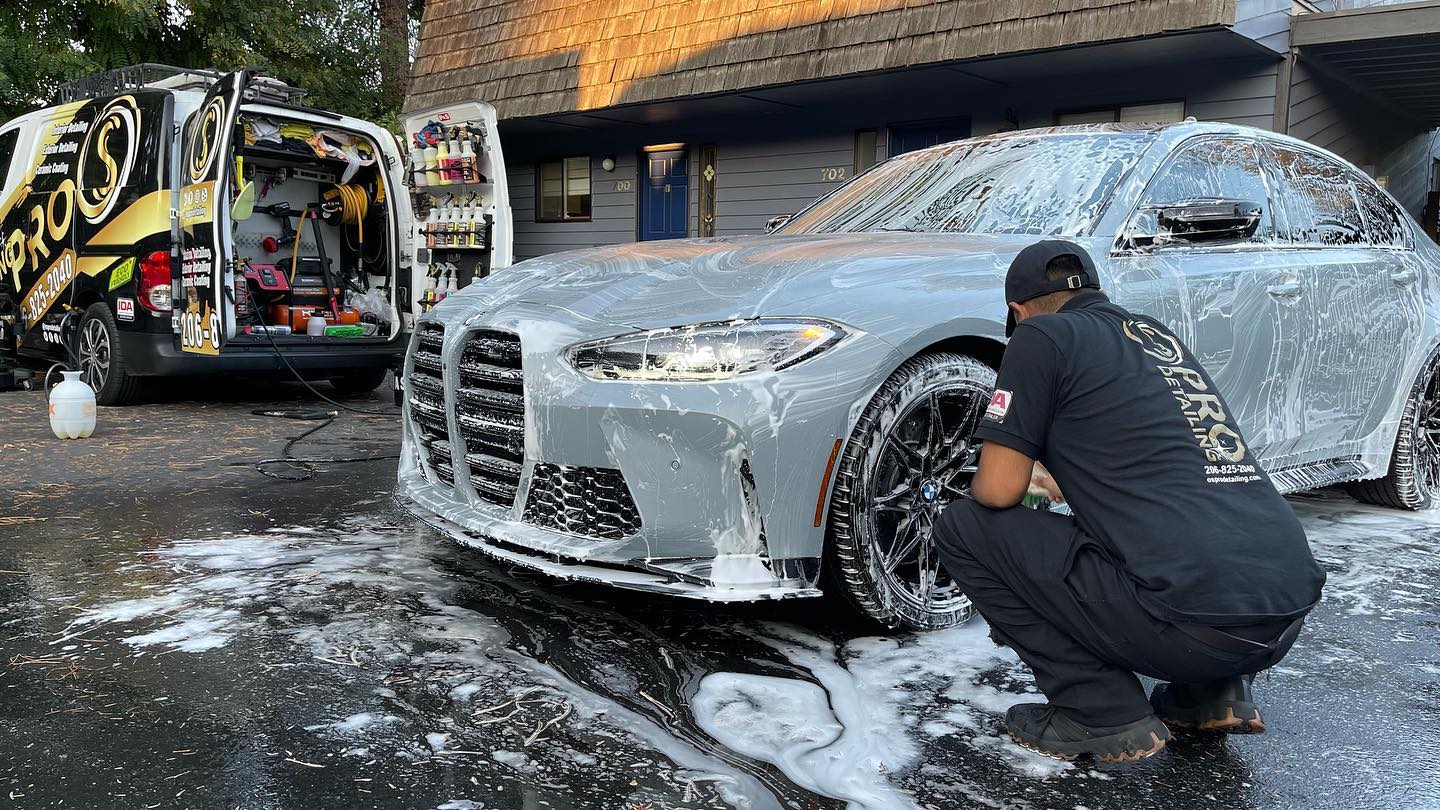
- Power and water: generator or battery inverter, extension cords, water tank, hose, nozzles, deionizer or filter
- Wash and decon kit: foam cannon, pH neutral shampoo, mitts, buckets with grit guards, iron remover, clay media
- Correction and finishing kit: polishers, pads, compounds, polishes, lights, paint depth gauge, masking tape
- Interior kit: vac, extractor or steamer, brushes, APC, glass cleaner, leather and fabric treatments, ozone or fogger as needed
- Admin and safety: PPE, MSDS folder, work orders, tape measure, lighting, panel wipe, trash bags, spare sprayers
Each category deserves detail. A technician who knows what to substitute and when to hold off earns trust fast.
Water and power without surprises
A portable generator works, but it is not the only way. Many modern setups use a lithium power station with a pure sine inverter that can run a 1,000 to 1,500 watt vacuum and a 600 watt polisher for hours. It keeps noise down in quiet neighborhoods and avoids fumes in garages. Bring a 12 gauge extension cord, 50 feet at minimum, with a GFCI inline protection for older homes. Coil it cleanly, because a kink becomes a hot spot under load.
Water deserves its own planning. A 65 to 100 gallon tank covers a full day of wash and rinse on three to five vehicles if you work efficiently, pre-foam, and use pressure to do the heavy lifting. A small in-line sediment filter keeps the pump happy. If you operate in a hard water area, a deionizing unit or portable spot free system avoids water spotting on black or dark blue paint, especially on sunny, windy days. Many crews add a short soft leader hose at the end to reduce strain on the wrist during rinsing.
Winter brings its own adjustments. Insulate the tank, remove filters overnight, and bring a low watt tank heater or at least a safe submersible option to prevent freezing. If product labels say do not freeze, believe them. An APC that has separated after freezing will streak plastics and waste your time.
Wash equipment that speeds the safe clean
A proper wash sets up everything that follows. Two buckets with grit guards are standard, but in the field, a single bucket and a rinseless system can be smarter in drought areas or tight garages. That said, on heavy soil or after a muddy rain, a foam cannon with a pH neutral shampoo buys you margin. Let it sit for two to four minutes, then rinse. Always bring more than one wash mitt and keep one dedicated for lower panels and bumpers where road film collects.
Pressure washer tips matter. A 40 degree tip is your friend for general rinsing. The 15 degree tip frees up bugs on front ends and clears out wheel wells, but keep it moving around badges and vinyl. A 25 foot high pressure hose is usable, a 50 foot hose reduces back and forth. Quick disconnects save minutes on each setup.
Wheel cleaning needs its own caddy to avoid cross contamination. Iron remover, a pH balanced wheel cleaner, a stiff tire brush, a boar hair brush for faces and lugs, and at least one dedicated microfiber for wheels only. If you do not separate wheel towels, your glass and paint work will show it.
Decontamination discipline
Bonded contaminants sneak under pads when you correct paint. Carry clay alternatives, like synthetic clay mitts or towels for speed, and also a fine grade traditional clay bar for delicate work. A lubricant matters more than many realize. Use a dedicated clay lube or dilute rinseless wash at the right ratio. For chemical decontamination, a quality iron remover earns its place. If the paint bleeds purple heavily, you know you are saving time later.
On older or neglected vehicles, tar spots or sap may need a solvent safe for clear coat. Bring it in a labeled bottle, not a generic spray, and keep it away from fresh paint or PPF edges. A good rule: if you are not sure of a surface, spot test on a low area and watch for swelling or hazing.
Paint correction without chasing your tail
Paint correction lives or dies on test spots. You can carry a trunk full of compounds and pads and still miss the mark if you do not test on that specific paint system. At minimum, pack a dual action polisher in the 15 millimeter throw range, a smaller 3 inch polisher for tight work, and pads in cutting, polishing, and finishing grades. Microfiber cutting pads chew through defects on medium to hard clear coats, but they generate heat. Foam cutting pads run cooler and control dust. Wool pads cut fast on rotary, but most mobile techs stick to dual action tools for safety.
Compounds vary. A diminishing abrasive compound paired with a medium cutting pad often clears moderate swirls in one or two sets. On soft Japanese clear, even a finishing polish on a medium pad can mar if you work the set too long. On a hard German clear, a light pad and polish barely move the needle. This is where a paint depth gauge helps. If you read 70 to 90 microns on an older repainted panel, you set conservative goals. If a factory hood shows 120 to 140 microns and heavy oxidation, you can be more assertive.
Lighting exposes your result. Swirls and haze hide in shade. Pack a handheld color match light and use it from multiple angles. A foldable tripod work light helps with vertical panels and makes life easier in dingy garages.
Masking tape with moderate tack protects edges, PPF seams, and textured plastics from staining. It also shows clients you respect their trim and glass.
Protection: waxes, sealants, ceramic coating, and PPF realities
Not every car gets a long term coating, but every vehicle deserves a thoughtful last step product. Keep a reliable spray sealant and a polymer sealant that can cure in cooler weather. For ceramic coating work, carry a controlled set: panel wipe with appropriate solvent, at least two coating options for different climates or substrate types, suede applicators, foam blocks, and separate leveling and final buff towels. Do not mix coating towels with anything else. Bag them after use and mark them for wheels or engine bays only next time, or better, retire them.
Temperature and humidity drive your decisions. If the driveway sits in direct sun and the panel surface measures 120 degrees Fahrenheit, delay the coating or move the vehicle into shade. Flash times collapse at those temps and streaking becomes likely. If the air is cold and damp, extend leveling windows and follow the manufacturer’s range. Many modern coatings tolerate 40 to 95 degrees Fahrenheit, but they behave differently at the edges.
For cars receiving paint protection film, your mobile kit needs a slip solution, tack solution, multiple squeegees, a clean spray bottle set, a heat gun, and plastic razors. Keep film knives with fresh blades and a safe disposal box. Most PPF work favors shop conditions. If you must install outside, wind screens and a tent prevent dust from ruining edges. A tight tent also traps humidity, so be ready to ventilate.
Interior detailing, where time disappears
Interiors devour minutes. Pack a compact but strong vacuum with multiple attachments, including a crevice tool and soft brush head. A small, heated extractor or a quality steamer speeds stain removal, but you can do excellent work with careful agitation, diluted all purpose cleaner, and good towels. Plan for enough soft brushes for vents and screens, a medium brush for carpets, and a stiffer brush for rubber mats.

Leather needs nuance. Not all seats are leather. Many are polyurethane coated, where heavy conditioners simply sit on top. Carry a mild leather cleaner and a protection product that suits coated seats. For perforated leather, avoid flooding the surface. Use foam where possible. Alcantara and suede need a dedicated cleaner and a soft bristle brush. Aggressive APC will matte the fibers and leave dark water marks.
Odor work requires patience. Ozone units help, but they should come after a thorough source removal and only in well ventilated spaces. A fogger can lay down a bonded odor neutralizer, but test for sensitivity. Not every client wants a strong fragrance.
Glass deserves its own towels to prevent smears. A minimalist setup is enough: a low residue glass cleaner, a waffle weave towel for the first pass, and a short nap microfiber for the final polish. Avoid ammonia around aftermarket tint. If your team sometimes provides a window tinting service, keep your glass kit in a separate tote labeled to protect tint films from harsh chemicals.
Towels and contamination control
Towels make or break your finish. Separate them by task and color. High pile towels handle rinseless washing and drying. Short nap towels do interiors and final buffing. Edgeless towels reduce the risk of marring when you level coatings or finish a soft paint. Wheel towels, once used, stay in the wheel bin forever.
A towel management system in the van keeps the day on track. Clean towels live in sealed bags or bins. Used towels drop into a dedicated hamper or waterproof tote lined with a bag. At day’s end, pre soak heavily soiled towels with a dedicated microfiber detergent. Skip fabric softeners. Dry on low heat. This keeps towels absorbing and lint free.
Chemicals and labeling that prevent mistakes
Every bottle in a mobile rig should carry a label with the product name, dilution ratio, and date mixed. Faded masking tape and a sharpie are better than nothing, but weather resistant labels beat the sun. A small, on board measuring cup or squeeze measure bottle keeps dilutions honest. APC at 10:1 is not the same as APC at 4:1, and you will see it on door cards and center consoles.
Bring a conservative set: APC, dedicated interior cleaner, pH neutral shampoo, bug and tar remover, iron remover, clay lube, glass cleaner, tire and trim dressings that dry to the touch, compound, polish, panel wipe, ceramic coating if scheduled, and a versatile sealant. Test new products in the shop, not in a client’s driveway, so you know how they react on sensitive materials.
Safety gear and the things that save a day
Gloves protect skin from solvents and dyes. Eye protection stops splashes. A respirator with the right cartridges is smart for coating work and for PPF installs with slip solutions in closed spaces. Knee pads matter more than most techs admit. A small first aid kit rides quietly in a drawer until needed.
Spare parts keep you moving. Pack extra trigger sprayers, quick connects for the pressure washer, hose gaskets, a short repair section of air line or extractor hose, electrical fuses, and a roll of butyl tape. Nothing feels better than fixing a sudden leak with a spare O ring when you are 40 minutes from the nearest store.
Weather, shade, and setup
A pop up canopy buys you three advantages: shade that slows water spotting, wind protection during coating or PPF, and a professional footprint in busy office parks. Stake or weight it, especially on concrete where a gust can walk it into a client’s fender. Floor mats or staging pads give you a clean place to drop tools and keep extension cords out of puddles.
If a forecast shows light rain, you can still detail interiors and even do rinseless or waterless exteriors under cover. Heavy rain calls for a reschedule conversation. Clients respect a tech who protects results rather than pushing a bad setup.
Documentation, photos, and client expectations
Bring a simple work order system that travels, printed or digital. Capture before photos when you arrive, especially of any damage, rock chips, curbed wheels, and deep scratches. This protects everyone. After the job, take a few after photos in consistent angles for your records. A small tripod and phone mount help with clarity and speed.
When you offer a ceramic coating or paint correction, carry a one page aftercare sheet. Laminate it or keep a stack you can hand over. If you also offer a window tinting service, a separate care guide for tint keeps your branding clear and prevents phone calls about rolling windows down on day one.
How Os Pro Auto Detailing packs a compact, efficient rig
On busy weeks, Os Pro Auto Detailing trims the van loadout down to modular bins, each labeled by stage. The wash bin contains mitts, two grits, foam cannon, shampoos, and pre wash. The decon bin carries iron remover, clay mitts, clay lube, and tar remover. A separate correction drawer organizes pads by cut and color in zippered cases, compounds and polishes upright with flip tops, and a padded pocket for the paint gauge.
That structure came from a simple observation. Every extra minute searching for a pad is a minute not spent correcting paint or walking a client through results. By keeping the most used items chest high near the side door, the team sets up in three to five minutes, collapses in the same, and never breaks stride on a tight schedule.
Os Pro Auto Detailing standards for specialty services
When Os Pro Auto Detailing schedules a ceramic coating, the kit doubles up on panel wipes and packs fresh microfiber in sealed bags. The team brings two coating options with different flash behaviors, so a windy, dry afternoon does not force delays. For paint protection film appointments, they carry filtered water for slip solutions because tap water in some service areas leaves mineral spots when the film warms under a heat paint protection film gun. They also bring small pre cut squeegee blades and a safe blade disposal box to keep the work site tidy.
That same discipline extends to paint correction. The crew starts with a small test section on the hood or trunk lid, records the winning pad and polish combo on a job sheet, then repeats that formula around the car while adjusting for repainted panels. If a meter shows thin clear, they explain the limits, and shift from chasing a defect to preserving the finish.
Small case lessons from the field
A white SUV in summer looked easy. The client booked a full car detailing service with a light polish and a one year sealant. The van arrived with the usual loadout. After the wash, the tech noticed tiny orange specks across the lower doors and hatch. Industrial fallout, heavy enough that a light polish would have smeared them into the clear. The iron remover did the heavy lifting, but clay still felt gritty. Because the van carried both a synthetic clay pad and a fine clay bar, the tech used the pad on the broad panels, then switched to the bar on the hatch and tight edges. Paint correction went smoothly, the sealant beaded off the rinse, and the client never knew the near miss. Lesson reinforced: always stock both clay styles.
Another day, a black coupe with soft Japanese clear arrived for a single stage polish ahead of a ceramic coating. The tech at first reached for a medium pad and finishing polish, the usual safe bet. Test spot showed faint haze. Rather than moving to a stronger compound, the tech preserved the soft clear with a milder finishing pad and the same polish, but shortened the working cycle and reduced pressure. The haze cleared, gloss popped, and the coating leveled easily. Lesson: the right pad can change the outcome more than the liquid.
Integrating window tinting service and detailing without cross contamination
If your team offers a window tinting service on the same day as a detail, stage the tint first in a dust controlled space or after a full interior wipe down, not in the middle of a compound session. Use separate sprayers and squeegees that never see APC. Keep a microfiber set dedicated for tint. Even a trace of silicone from a tire dressing can ruin adhesion. Plan your power run, because a heat gun and extractor on the same circuit can pop a breaker in older homes.
Quality control that fits in your pocket
Checklists keep standards tight, but they should not slow you down. A pocket card or a note on your phone works best. Five quick points before you leave save return trips.
- Walkaround at eye level and knee level, look for drips, missed smears, and stacked towels or tools
- Roll windows down an inch, clean the top edge, then re seat them to avoid streaks
- Confirm door jambs, fuel door, and trunk recess are clean and dry
- Verify tires are dressed evenly with no sling risk, and mats are dry
- Photograph final results, update the work order, and review aftercare if coatings or PPF were installed
A second pair of eyes is ideal. If you work solo, step back for a minute, drink water, then do the walkaround. Fatigue hides smudges.
Adapting to different vehicles and clients
Fleet sedans respond well to fast, repeatable processes. Bring a compact extractor and stick to a simple interior formula that lifts commuter grime without perfuming the cabin. Exotic cars need more protection around grills and carbon fiber. Pack soft tape and extra towels for areas that cannot take residue. Pickup trucks often come with bed dust and dog hair that a standard vacuum fights. A rubber pet hair brush or pumice stone saves 20 minutes on a stubborn seat.
When clients ask about paint correction, explain the scale. A one step can remove light swirls on many cars, but it will not erase heavy defects or random deep scratches. Two steps deepen clarity but take longer. Be honest about what you brought today. If you planned a maintenance detail and the paint calls for a two step, reschedule with the right pads and time. Your results will tell the story.
Storage strategy inside the van
Weight distribution matters. Heavy items like water tanks and generators mount low and forward for stability. Shelving must be braced. Store liquids upright with lids taped on long routes. Keep chemicals away from heat sources. Label shelves clearly and maintain the same layout across vans if you run multiple crews. Muscle memory saves time.
An anchor point for polishers prevents falls. Foam pad cases protect edges and reduce contamination. A small, sealed bin for soiled clothes, empty bottles, and random trash keeps the cabin tidy. At the end of the day, a five minute reset pays back the next morning when you roll straight into the first job.
The mobile detailing mindset
A good mobile detailer sees a driveway as a small, temporary shop. Everything has a place, power flows safely, water behaves, and wind is managed. That mindset frees you to focus on the work rather than the setup. It also builds trust. Clients notice an orderly rig, clean bottles with readable labels, and technicians who move with purpose.
In practice, the best technicians carry just enough to handle the promised service and a few predictable surprises. They protect paint during wash, decontaminate thoroughly, test before they cut, and choose sensible protection for budget and weather. When a job calls for ceramic coating or paint protection film, they slow down, control the environment, and document the result.
Where Os Pro Auto Detailing’s approach teaches useful habits
Os Pro Auto Detailing trains new techs to stage the job visually before they touch the car. They lay out the wash bin by the front left, wheel kit near the front right, interior tote open at the passenger rear for trash removal, and polishers staged but unplugged in the shade. This layout reduces steps. They also assign a towel tech who monitors inventory during the job, so no one scrambles for a clean glass towel when the sun sinks. That small role prevents shortcuts when time gets tight.
On coating days, they run a dry rehearsal. Panel wipe and coating bottles sit with applicators and leveled towels, timer ready, lights charged. A single missed towel can leave high spots. By rehearsing, they avoid that sick feeling of reaching for a fresh towel and finding none.
The five minute pre departure routine
If there is one habit that preserves your schedule and sanity, it is the quick pre departure routine. After loading and before turning the key, run this scan. It takes less than five minutes and saves hours later.
- Verify power: generator fuel or battery charge, extension cord packed, GFCI present
- Confirm water: tank level above planned work, filters clear, hoses and nozzles aboard
- Check chemicals: core products present and labeled, coating or PPF kits if scheduled
- Inspect tools: polishers, pads, vac and extractor hoses, lights charged, spare sprayers
- Safety and admin: gloves, masks, MSDS, work orders, cards or digital forms accessible
Over time, this routine becomes automatic. You will learn your region’s quirks, from the way coastal wind flips towels to the way mountain dust finds its way into every door seal.
Good mobile detailing is patience, planning, and pride. Bring the right kit, keep it tight, and you will find your days go smoother, your results get cleaner, and your clients see the difference without you having to say a word.
Os Pro Auto Detailing
12748 NE Bel Red Rd, Bellevue, WA 98005
(206) 825-2040
FAQs
How long does ceramic coating last?
Ceramic coating typically lasts between 2 to 5 years, depending on the product used, vehicle condition, and how well the coating is maintained.
What is included in paint correction?
Paint correction involves removing surface imperfections such as swirl marks, light scratches, and oxidation through polishing. This process restores clarity and enhances the overall gloss of your vehicle’s paint.
Is ceramic coating worth it?
Yes, ceramic coating provides long-term protection against UV rays, contaminants, and environmental damage. It also makes cleaning easier and helps maintain your vehicle’s appearance over time.